
Heart World Conference 2026
Speakers - HWC2026
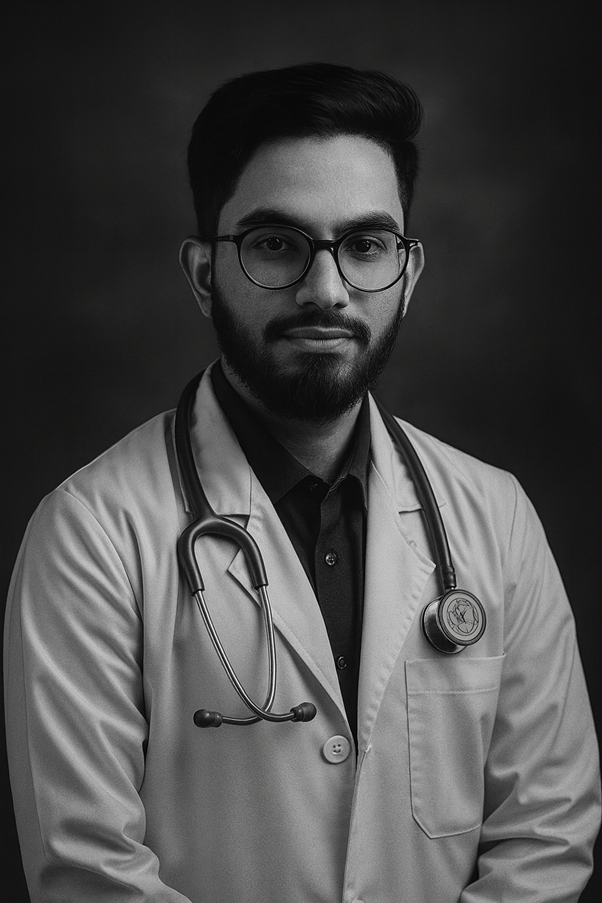
Aliasgar Taha
Aliasgar Taha
- Designation: Medical Intern, Dr. Sulaiman Al Habib Hospital, Dubai, United Arab Emirates
- Country: United Arab Emirates
- Title: Beyond Ejection Fraction AI Driven Personalized Risk Prediction For Sudden Cardiac Death
Abstract
Background & Objective:
Cardiovascular diseases account for approximately 40 % of all deaths in the United Arab Emirates, and among these cardiovascular causes, sudden cardiac death represents a substantial yet under-reported component of mortality; meanwhile, traditional risk stratification using left ventricular ejection fraction continues to demonstrate critically poor discrimination (c-statistics ~0.50–0.56 in pooled cohorts of >140,000 patients). The LVEF ≤35% guideline threshold achieves only modest AUCs of approximately 0.63, leaving high-risk patients unidentified while exposing low-risk individuals to unnecessary device implantation. This scoping review synthesizes evidence for artificial intelligence (AI)-driven multimodal approaches integrating electrocardiography, cardiac imaging, clinical data, genomics, and wearables to enable personalized SCD risk prediction.
Methods:
A comprehensive scoping review was conducted across PubMed, Google Scholar, and ArXiv databases identifying 231 unique studies (2020–2025) focused on AI/machine learning for SCD prediction, multimodal integration strategies, and clinical validation against LVEF-based criteria.
Results:
Multimodal AI models consistently demonstrate superior performance across diverse populations. The DEEP RISK study integrating cardiac magnetic resonance imaging (CMR), 12-lead ECG, and clinical parameters achieved AUROC 0.84 with 98% sensitivity and 73% specificity in non-ischemic cardiomyopathy—substantially exceeding single-modality approaches (ECG alone: 0.54). Automated CMR scar quantification improved discrimination from AUC 0.63 to 0.68 (p=0.02) in the DERIVATE registry of 761 post-infarction patients. Population-based machine learning using 82 time-varying predictors achieved 6-year SCD prediction AUC 0.89 versus 0.77–0.83 for traditional models in the ARIC cohort (15,661 participants). Deep learning applied to 12-lead ECG demonstrated internal AUROC 0.889 and external validation 0.820, outperforming conventional ECG models (0.712).
Our conceptual framework identifies five critical data domains: (1) ECG analysis capturing repolarization patterns through convolutional neural networks; (2) cardiac imaging quantifying scar heterogeneity and fibrosis via automated CMR/echocardiography; (3) clinical parameters including etiology and comorbidities; (4) genomic variants associated with channelopathies and cardiomyopathies; and (5) wearable biosensor data providing continuous arrhythmia monitoring. Ensemble methods (XGBoost, random forest) excel with heterogeneous electronic health record data, while deep learning architectures optimize raw signal and imaging analysis. An XGBoost model predicted implantable cardioverter-defibrillator (ICD) non-benefit with AUROC 0.897 (internal) and 0.793 (external), stratifying 3-year non-benefit rates from 6.0% to 30.3%.
Conclusions:
AI-driven multimodal approaches offer AUC improvements of 0.15–0.30 and reclassification rates exceeding 36%, representing transformative advancement beyond LVEF-dependent stratification. Clinical translation requires prospective randomized trials demonstrating mortality benefit, multicenter validation ensuring generalizability, standardized data acquisition protocols, regulatory frameworks, and explainable AI methodologies. The convergence of deep phenotyping and advanced machine learning positions personalized SCD risk prediction as an achievable goal that could fundamentally reshape primary prevention strategies and optimize cardiovascular resource allocation.
Keywords:
sudden cardiac death, artificial intelligence, multimodal risk stratification, ejection fraction, cardiac imaging, personalized medicine, deep learning
Welcome to the Heart World Conference 2026, a premier international conference committed to discussing the entire gamut of heart science, technolog ...
Read More>>
Organizer
